I've written about this before, but certain trends continue to show that building a wine industry
from the grape up needs greater attention.
When the market is said to desire a specific type of wine, a wine region may be compelled to focus on grape varieties that aren't wholly suitable to its climate in order to satisfy the perceived consumer taste. That, then, begs a different question: Why not build the local wine industry around grape varieties that are the "best fit" climatically? This isn't to say that other, more difficult-to-grow varieties shouldn't be planted at all, but rather that they shouldn't be the main grapes for which a region becomes known at the expense of those that are a better natural fit.
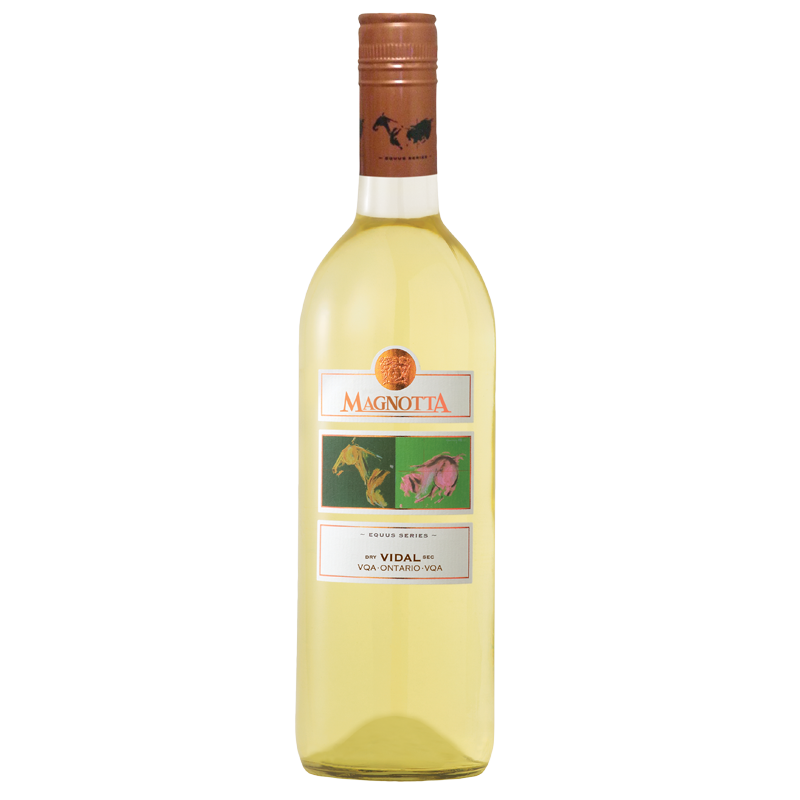
Let's take some of the so-called "old-line French hybrids" - e.g. Marechal Foch, Baco Noir, Seyval Blanc and Vidal. All these grapes are excellent candidates for viticulture in southern Ontario. They remain players to some extent to this day (especially Vidal, one of the icewine grapes par excellence). But the VQA system denies their table wines - even the best, cleanest, ripest table wines made from them - geographic specificity of origin: the wines cannot be labeled "VQA Niagara Peninsula" or "VQA Lake Erie North Shore"; they can only bear a "VQA Ontario" designation. This strange practice would seem to suggest that terroir only works on vinifera grapes, which is an intuitively absurd notion.
In the late 1990s, estate-grown wines from Marechal Foch and Seyval, even De Chaunac (this last one is unrecognized by VQA for varietal wine purposes) were easily available throughout the Peninsula. Since that time, though, more and more wineries have eliminated those well made, enjoyable table wines with all-vinifera "portfolios". Even the sound of the word "portfolio" makes me uneasy: it's as if we are talking stocks and bonds, not grape and wine farming.
Kudos to Henry of Pelham for keeping the Baco Noir torch going. But I miss Lakeview Cellars' Foch and De Chaunac; I miss Inniskillin's Old Vines Foch; I miss Stoney Ridge Cellars' oaked Seyval.
There should be a re-think in the way wineries conceptualize wines from our region. When you have grape varieties that grow well in our climate, take our winters well, need little chemical input to keep them healthy and produce reliable crops each year, those grapes should be treated as prized material to be elevated with caring hands into clean, crisp, palate-invigorating wines of value. The emphasis should be not on their displacement by what's fashionable - because fashion is fickle and mindless often times. What sort of legacy is built around constant shifting?
We need to want to develop our own long-standing traditions based on cultivars naturally suited to the growing conditions in our region - both vinifera (e.g. Zweigelt, Riesling, Chardonnay, Pinot Noir) and hybrid (traditional hybrids or new-generation hybrids) - and to do so without constantly deferring to some unspecified mythical wine authority that will confer upon our efforts that much-coveted nod of approval.